Something Borrowed, Something Small: Dressing a Baby for a 2026 Naming Day

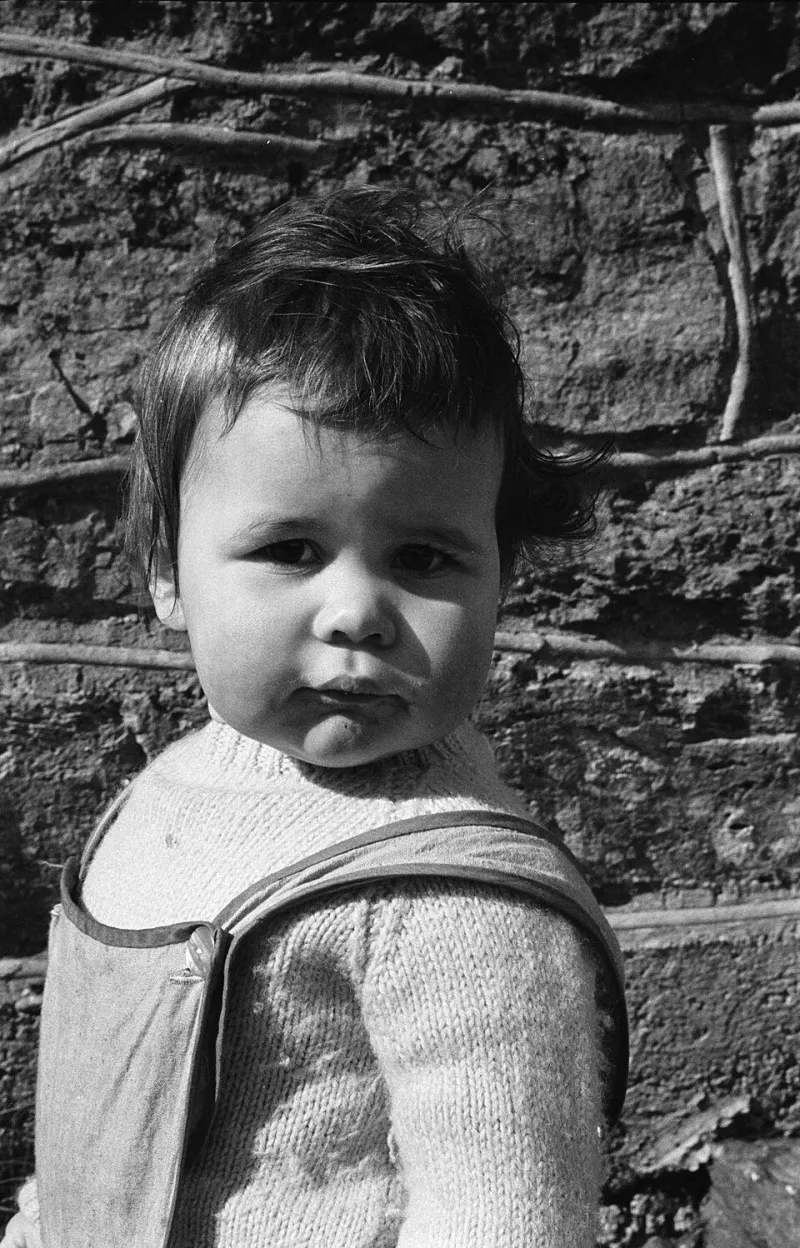
Photo: Giles Laurent, CC BY-SA 4.0, via Wikimedia Commons
A naming day is one of the few events where the guest of honour has no say in what they wear, will almost certainly be asleep for the best bit, and will be photographed more in ninety minutes than in the rest of the year combined. That is a lot of pressure on one small outfit.
The good news is that the brief is simpler than it looks. A baby needs to be warm on a church porch in a November wind, cool enough in a packed village hall, comfortable enough to nap through the speeches, and photogenic in a way that does not look like a tiny wedding. Get those four right and the rest is detail.
Start with the venue, not the outfit
Old stone church with a font near the door and no heating until ten minutes before? That is a layering job. Register office with eighteen people and a car park? That is a smart-but-not-precious job. Humanist ceremony in a marquee in a garden? That is a genuinely difficult job, because marquees are either freezing or tropical and there is rarely an in-between.
Write down the actual temperatures you expect — porch, font, hall, car — and build outwards. It is much easier than falling in love with a gown and then discovering the whole thing has to happen under a pram blanket.
The church-porch formula
Start with a long-sleeved cotton bodysuit as the base, always. Over that, a knitted romper or a collared sleepsuit in ivory, oat or pale blue, then a cardigan that can be removed the moment you are inside. Add a shawl rather than a coat — shawls go over car seats and prams far more easily, and they photograph beautifully in the sort of dappled churchyard light that makes everyone look like they are in a period drama.
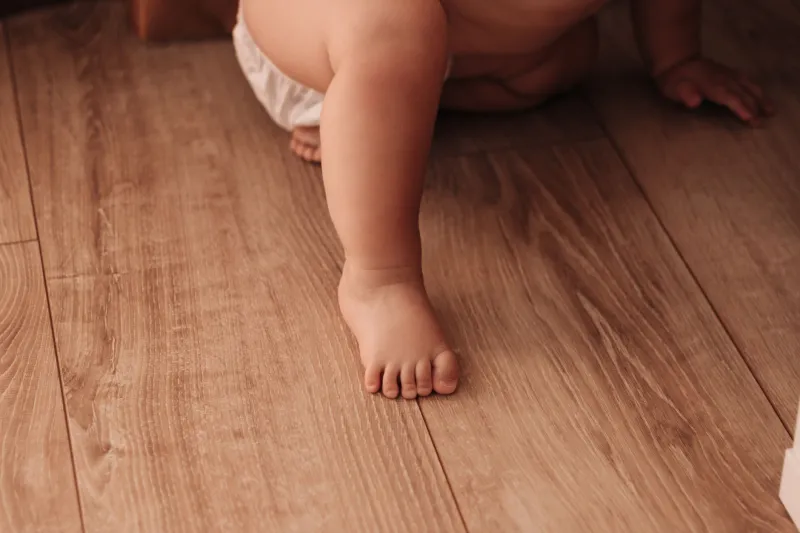
On the feet: soft booties, not outdoor shoes. Babies do not walk, and hard soles on a font-side tile floor are both pointless and slippy.
The register office and humanist formula
This is where you can have a bit more fun. A linen-blend romper with a tiny collar, a pinafore over a plain vest, or a little waistcoat if you are that family — all work. Keep the palette to two colours so the photos do not fight each other, and resist anything that needs ironing on the morning of.
If there is a garden or a village green involved, add a lightweight knit and a sun hat for a summer date, or a quilted jacket for an autumn one.
The party-hall formula
Here is where most babies end up miserable: over-layered in a room heated to approximately the temperature of a bakery, passed round eleven aunties in quick succession. Plan for the hall specifically. That means a simple cotton base layer, one smart top half, and everything else removed the moment the buffet opens.
Keep a plain sleepsuit in the changing bag. Nobody has ever regretted having a spare vest and grow at a party where the sandwiches are late.
The three-piece rule
Whatever the venue, dress the baby in three removable layers: base, smart middle, outer. That gives you roughly six combinations across a three-hour event, which is exactly the flexibility you need when the heating comes on at two o'clock.
The heirloom question
Many families have a christening gown in a drawer, often four generations old, frequently enormous, and invariably made of a fabric that does not survive a modern washing machine. Wear it if you want to — genuinely, wear it — but do it on your terms.
A sensible compromise: the gown for the ceremony and the photographs, a soft cotton romper for the buffet. Nobody has ever noticed the swap, and everybody has noticed a baby screaming in lace. If the gown is too fragile to wear at all, drape it over the pram or lay it beside the baby for photographs and keep it in one piece for the next generation.
Details that earn their keep in photographs
- Sleeve cuffs and collars. They frame a face better than any print.
- A bonnet, if you can bear it. It looks charming for the first six minutes and then becomes a hat. Accept this.
- Texture over pattern. Cable knits, pointelle, brushed cotton and fine cord photograph far better than novelty prints, which tend to turn into visual noise at small scale.
- Shoes that fit. If you are buying proper pre-walkers for the day, buy them a size up and check they stay on. Most do not.
Three budgets, same shape
Under £40: plain white sleepsuit, knitted cardigan borrowed from an older cousin, a decent shawl, soft booties. It will look lovely because it is simple and because the baby is doing the work.
£40–£90: a collared romper or knitted set from a high-street childrenswear range, a proper bonnet, and a cardigan in the same family of colours.
£90+: a made-to-order piece with a monogram inside the collar — see our piece on why named clothes never get handed on — plus an heirloom shawl. This is the tier where the outfit is bought with the box in the loft in mind.
After the day
This is the question almost nobody asks when buying: will it get worn again?
A plain ribbon-tied gown will not. A collared romper, a knitted cardigan, a linen pinafore, a shawl — all of these slot into ordinary life. The romper goes to a birthday party, the cardigan becomes spring outerwear, the shawl lives in the pram for two years and then gets loaned to a friend's naming day.
That is the real test of a naming-day outfit in 2026: not whether it looks good in one photograph, but whether it looks like part of the family by the following summer.
The day-before checklist
Lay the outfit out the night before and check the seams and the poppers. Pack a spare complete outfit, one extra vest, two muslins and a bib for the buffet. Steam rather than iron anything with a collar. Put the shawl in the car, not the hall. And take one photograph of the back of the outfit, because in fifteen years that will be the picture you are glad you have.